Why do so many professional string players value fine pernambuco bows?
And why can bows made from other woods or carbon feel different, even though they too can be excellent tools? Perhaps the easiest comparison comes from recorded music.
The original is the live experience
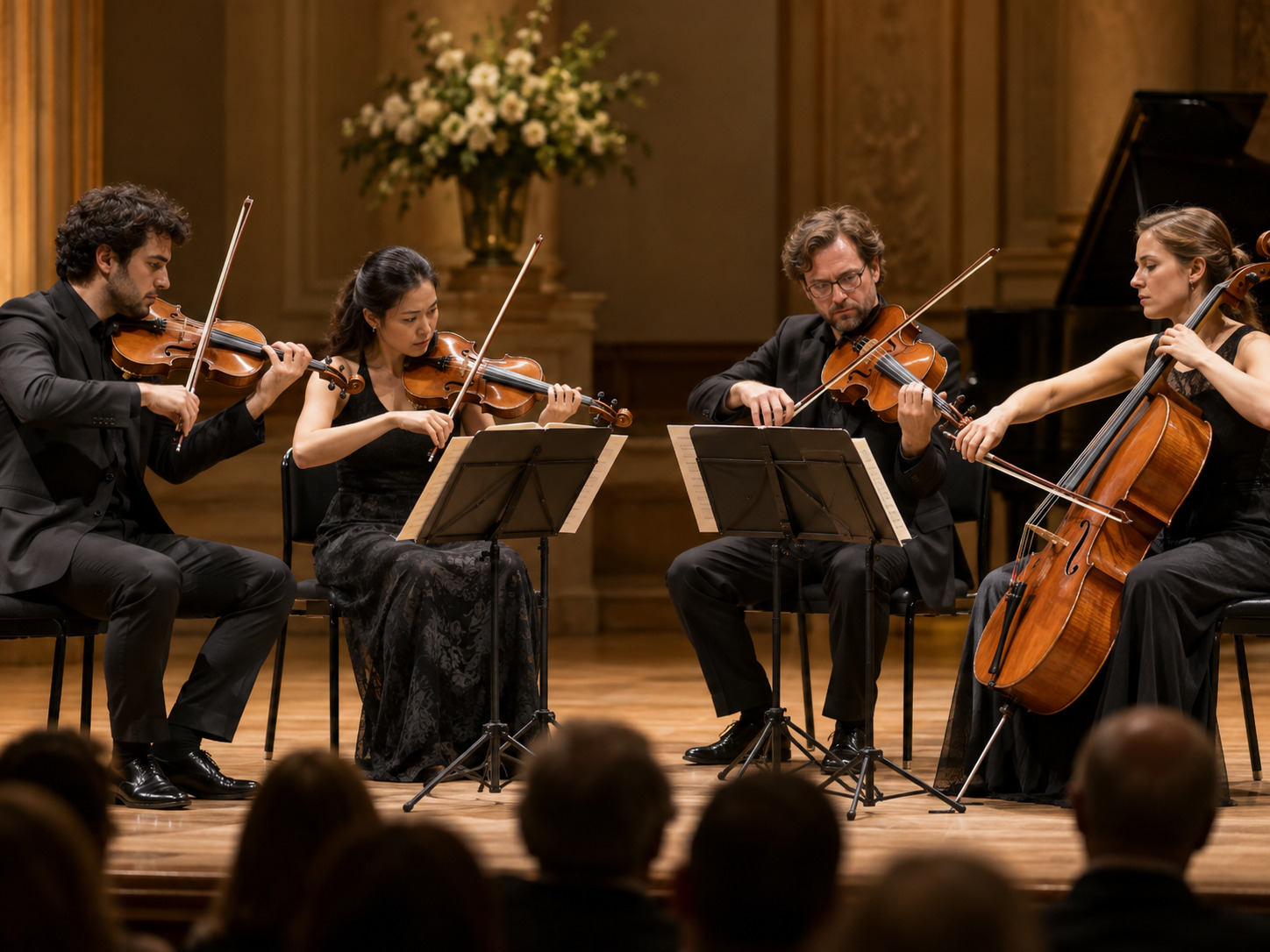
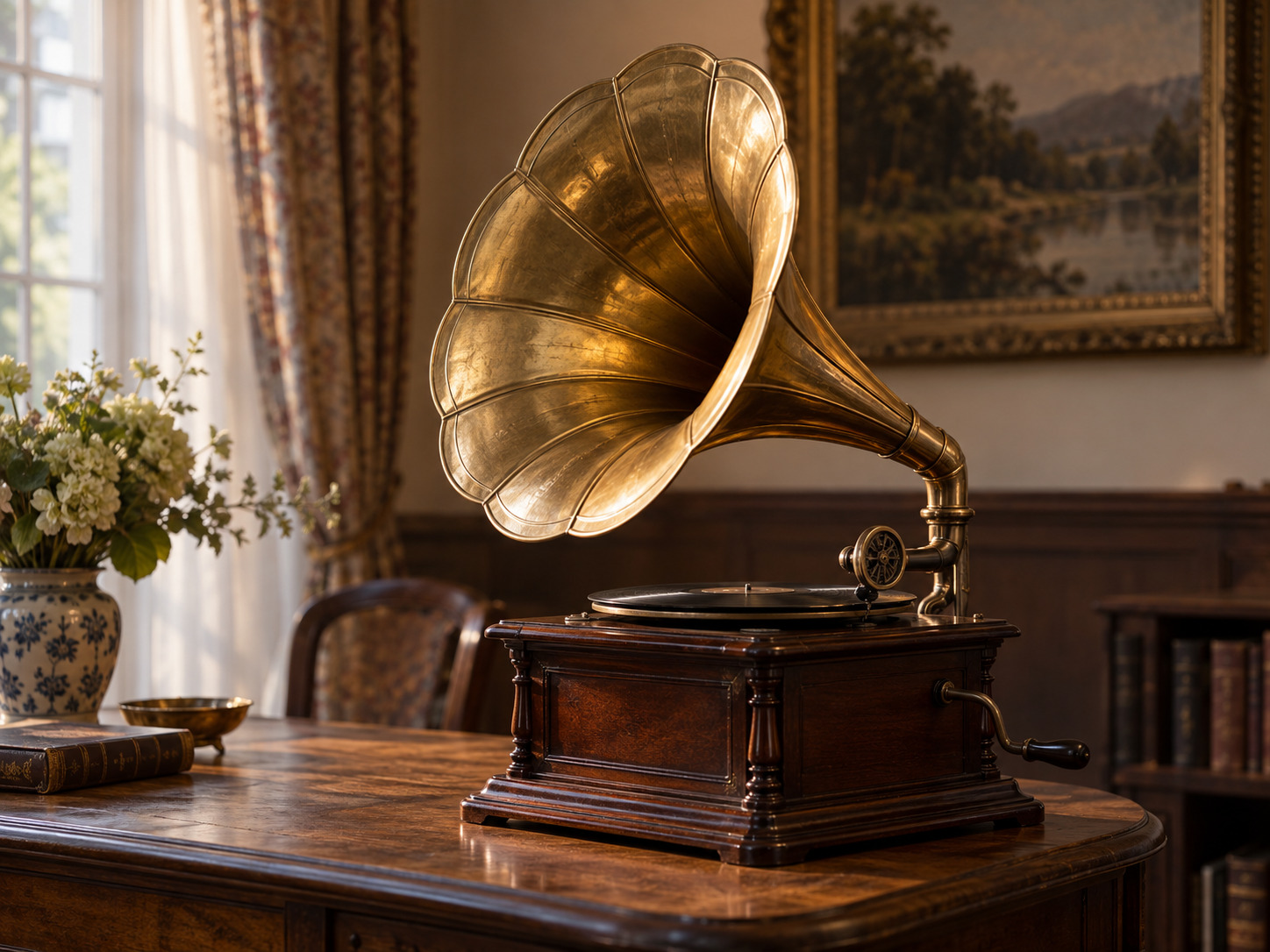
When we hear music live in a good concert hall, we perceive far more than the correct notes. There are overtones, minute transitions, the room, the response of the instrument and the way a sound continues to develop – countless small pieces of information that we rarely identify separately, yet together determine whether a sound reaches us. A high-quality recording tries to preserve as much of this as possible. A superbly produced vinyl record can create a remarkably immediate listening experience; modern lossless formats preserve all of the stored digital information. Other formats, and some mixes designed primarily for small speakers or in-ear listening, may treat dynamics, space and tonal colour differently.
The music remains the same. The notes are still there. Yet something can feel different. Not every listener notices it. A musician, recording engineer or highly experienced listener may notice it immediately.
A bow works in a similar way
A bow does not create the sound by itself. It is the connection between the player's hand and the string. Through it, bow speed, pressure, contact point and countless minute changes in movement are transferred to the instrument. An exceptional bow therefore does not simply provide “more sound”. It provides more gradations. Between soft and clear. Between sustained and direct. Between an almost weightless pianissimo and a tone that is immediately present in the room. Between two apparently identical strokes, many different possibilities can appear.
Hair tension changes the sound
One factor plays a particularly important role and is surprisingly rarely discussed: bow-hair tension. When a bow is tightened very strongly, more changes than the distance between stick and hair. The whole mechanical system changes. The ribbon of hair becomes stiffer and yields less under the player's pressure. It follows the curvature of the string less flexibly, and the contact zone between hair and string changes. In practice, excessive hair tension can favour a sound that is immediate and sharp, yet at the same time flat, nasal or difficult to grasp. Figuratively speaking, the hair lies rigidly on the string rather than connecting with it elastically.
When hair tension is deliberately reduced, the ribbon can react more spatially under bow pressure. The hairs can conform more flexibly to the curvature of the string and the contact becomes less one-dimensional. This also changes the way the string is excited and how its overtone structure develops. The sound can become broader, softer and more carrying. It gains body and depth – not because entirely new notes suddenly appear, but because the interaction between hair, string and bow works with greater differentiation.
And this is where the stick matters
One might simply say: then tighten every bow a little less. It is not quite that simple. The hair does not work on its own. It is tensioned between head and frog within an elastic system, and the essential element of that system is the bow stick. With every change of hand pressure, bow speed and movement, this system changes. The stick yields by tiny amounts, recovers, absorbs energy and returns it. In doing so, it continually influences the effective tension of the hair ribbon. A good bow therefore has to do something that sounds almost contradictory: It must be stable without becoming rigid.
This is where exceptional pernambuco shows one of its particular strengths. An excellent pernambuco stick can feel wiry, clear and remarkably stable in the hand. It gives security and follows the player's movements precisely. At the same time, the whole system remains elastic enough for the hair tension to participate on a minute scale. The stick effectively controls the framework within which the hair can react. A bow must not simply become soft under pressure, but neither should it hold the hair so immovably that contact with the string becomes one-dimensional. The art lies between these two extremes.
Not more sound – more information
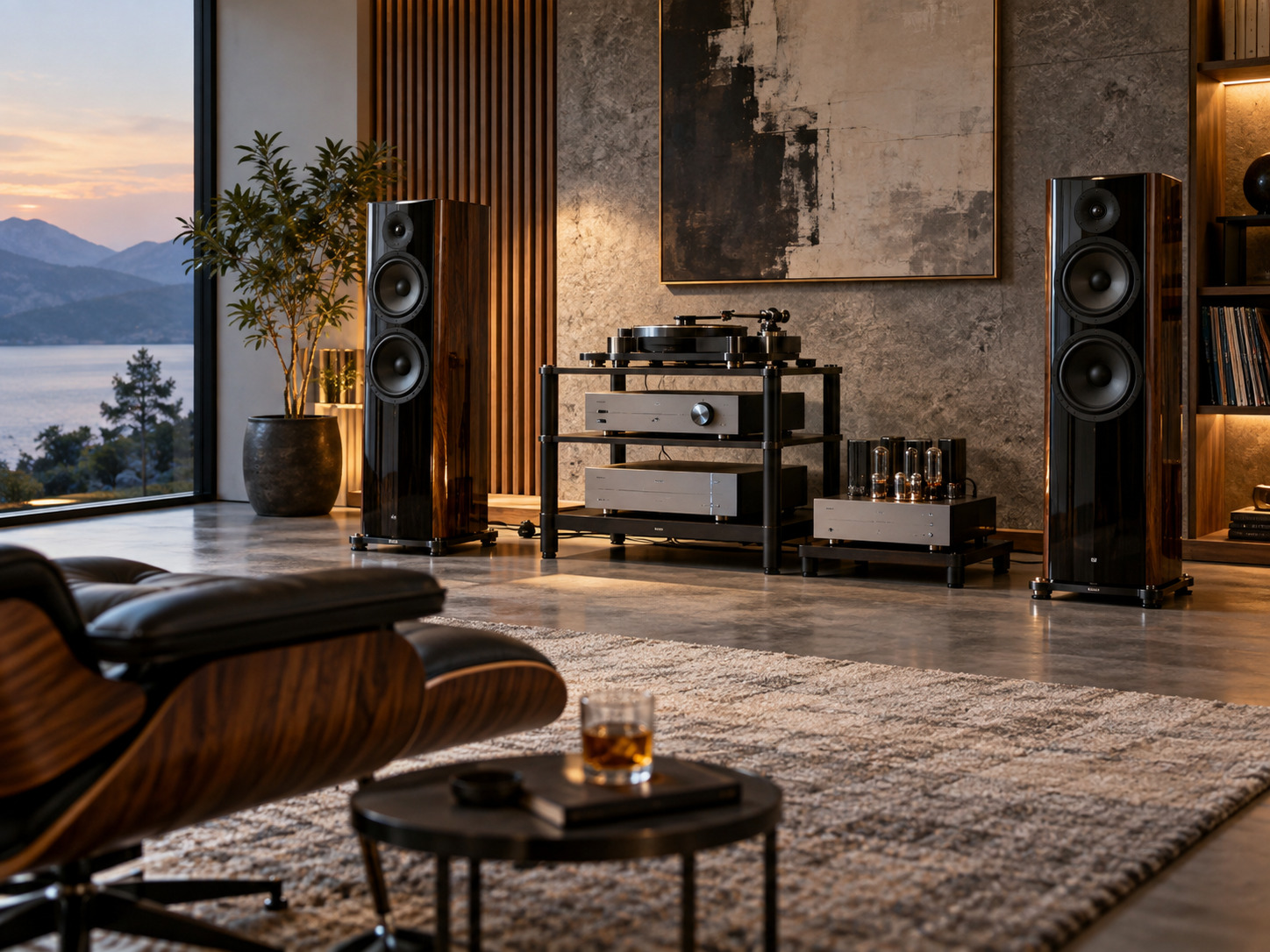
This brings us back to recorded music. A compressed recording can sound excellent. Everything essential may be present. Yet through a truly revealing playback system, a trained ear may notice subtleties of space, dynamics and tone colour that are barely apparent through simpler equipment.
A bow can be similar. Carbon and alternative woods can produce excellent bows. They can be stable, precise and reliable, and for many players they may be exactly the right tool. The point is not to dismiss these materials as inherently inferior.
The special quality of an outstanding pernambuco bow lies instead in an unusual combination of properties: stability and elasticity, low mass and strength, rapid response and low internal damping. No single figure explains it; the interaction matters. The stick can feel firm and wiry while still allowing the hair ribbon to respond to hand and string within an extraordinarily fine range. The player can influence this system through minute adjustments, usually without consciously thinking about them.
Why not everyone notices the difference
To a less experienced player, two bows may seem almost identical. A professional player may perceive a difference immediately. Because the player does not only hear the bow. The player feels it. Hand, arm, stick, hair, string and instrument form a feedback loop. The musician gives an impulse, feels and hears the response, and adjusts it in the next instant. After decades of playing, this happens at a level that is barely conscious. It is rather like a recording engineer who notices a change in a recording at once while other listeners ask, “What is supposed to be different?”
More of what happens between the notes
Perhaps that is why the analogy with high-quality audio reproduction works so well. With a very good recording, we do not necessarily hear different notes. We hear more of what happens between the notes. And an exceptional pernambuco bow does not suddenly make a musician play a different instrument. But it can allow the player to express more of what they intend to say musically.